
DTPR is an open standard stewarded by Helpful Places and an emerging ecosystem of supporters, adopters and contributors.
People can’t be expected to trust technology that they don’t understand, and they can’t begin to understand what they can’t see. Actually useful technology transparency, or legibility, is a critical starting point.
Our mission is to make the invisible, visible.
Who is technology transparency really designed for?
Most of it is designed for the people who build or choose it. DTPR is designed for the people it affects.
AI model cards and algorithm impact assessments are designed for those who make, design and deploy AI.
AI registers are a start, but they arrive as long PDFs, dense spreadsheets and ad hoc web pages.
What if transparency had a blueprint: a standard structure anyone could read?
We have spoken with hundreds of residents in cities around the world. They tell us they need more information before they can trust how technology is used.
Rather than dense technical specifications or abstract terms of service, DTPR translates these layers into simple language and visual iconography.
Our Story
DTPR started with sensors, cities and residents.
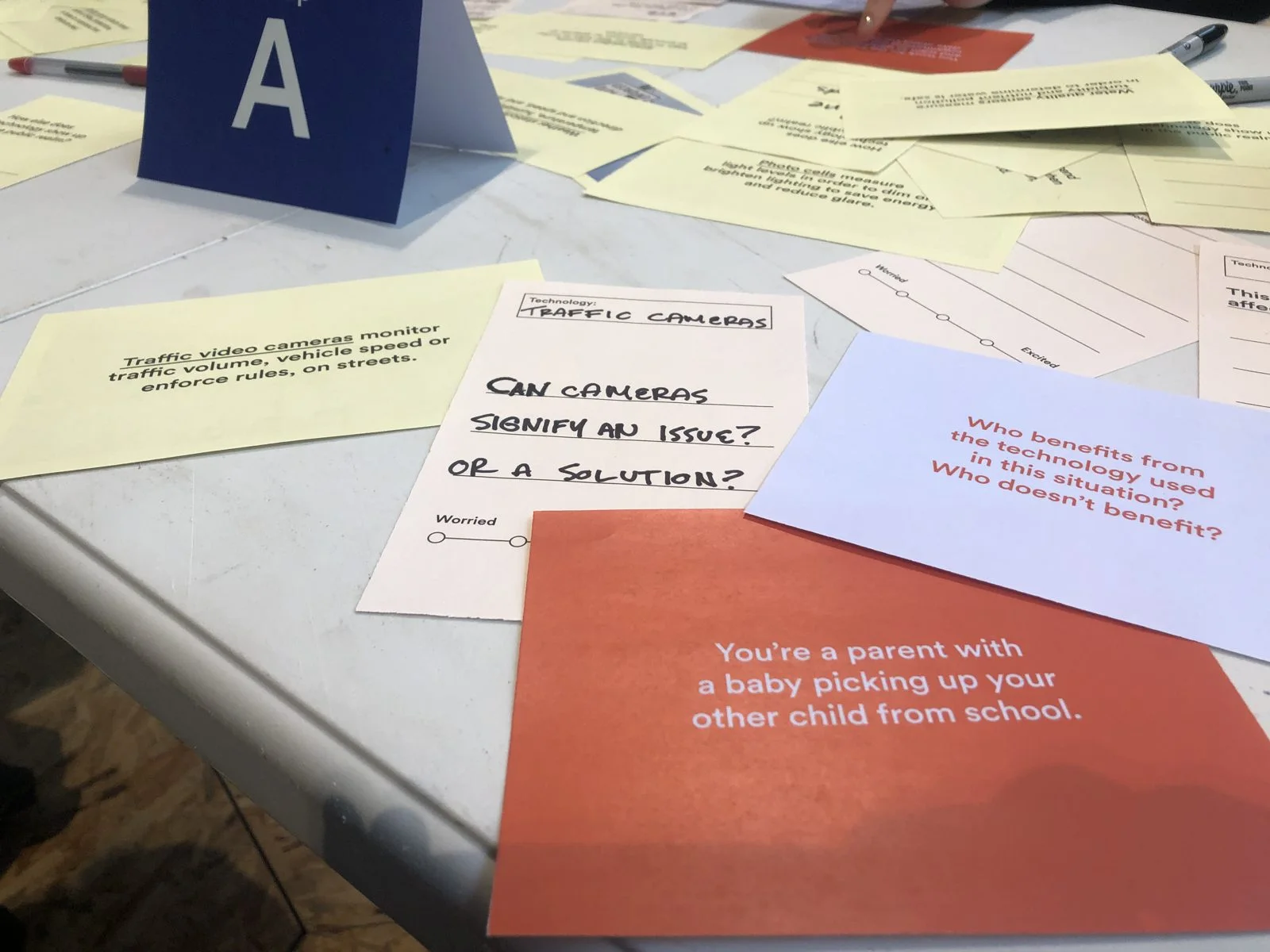
DTPR began in 2019 as an open, co-designed response to Sidewalk Labs’ proposed smart-city project in Toronto, and the questions it raised about surveillance and data collection in public spaces.
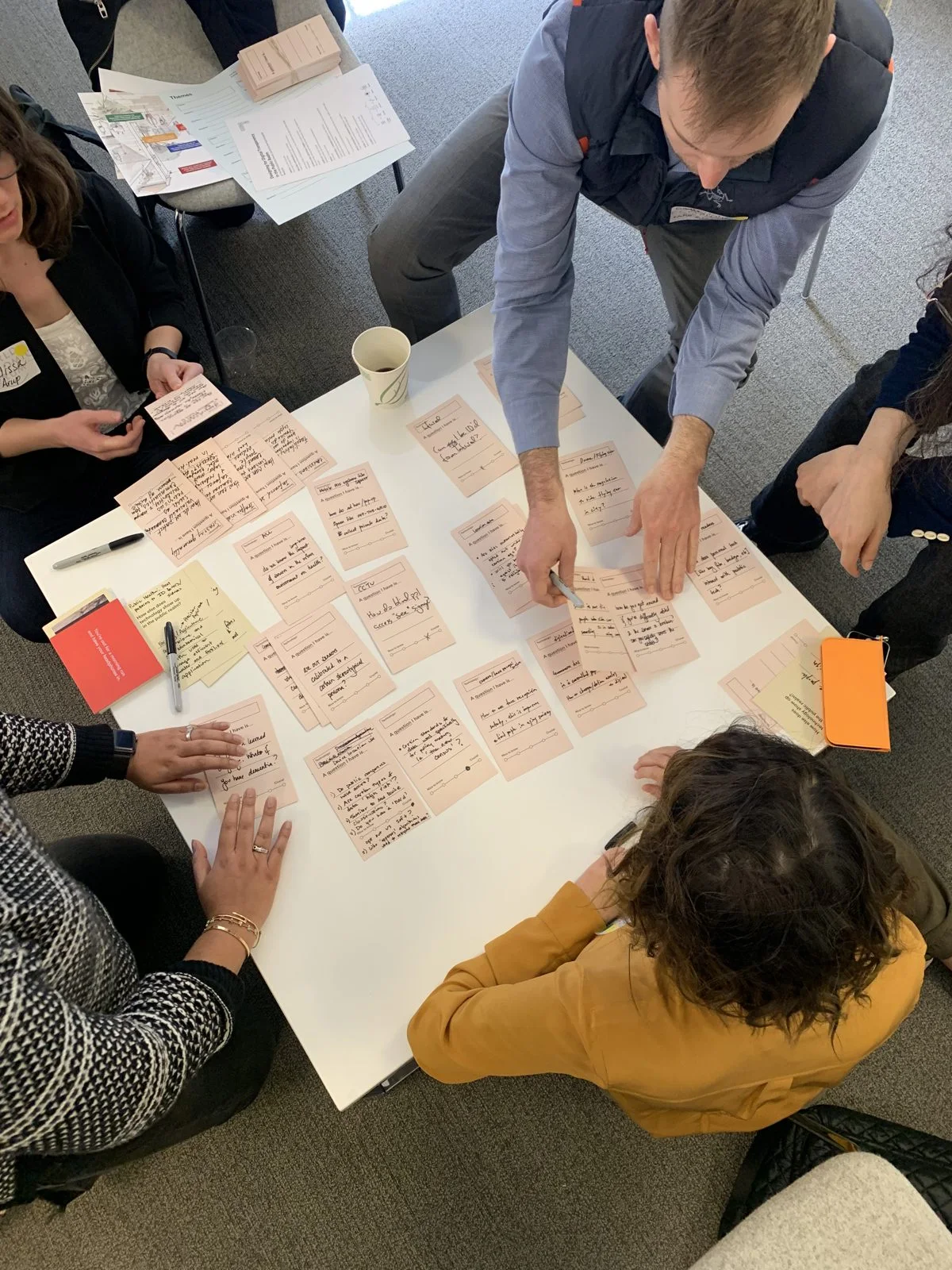
Over 100 residents, designers, privacy experts and city practitioners co-created a shared visual language for technology in the built environment, built on a few simple questions: what is this technology, why is it here, what data is involved, and who is accountable? The original draft and all the co-design materials remain public and free.
First named Digital Transparency in the Public Realm, the standard was renamed Digital Trust for Places and Routines under Helpful Places. AI is the next chapter of the same practice: applying years of hands-on public-transparency work to a new class of systems.

Growing with NSF support
With a Phase I award from the U.S. National Science Foundation’s Pathways to Enable Open-Source Ecosystems (POSE) program, Helpful Places and Superbloom are laying the groundwork for DTPR to scale as an open-source ecosystem.
The work rests on three pillars: ecosystem research into how DTPR is used and what limits adoption, community development through workshops and convenings, and shared governance so DTPR stays community-led, open and adaptable.